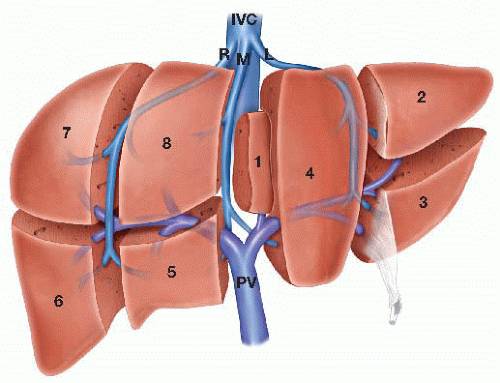
Removal of a portion of the liver is performed most commonly for cancer, but it is also required for some benign conditions. During hepatic resection, the liver tissue (parenchyma) is divided, which causes bleeding and leakage of bile. It is important that the remaining liver has sufficient size and function to avoid complications. Hepatic resection is a complex procedure that is best performed by skilled surgeons with experience in hepatobiliary surgery. Most hepatic resections take from two to four hours, and patients recover in the hospital for approximately five to seven days, or fewer if possible, depending on the size of the resection. After discharge, patients are sent home with a careful follow-up plan at the Liver Center. Most patients recovering at home have limited activity for the first four to six weeks but are able to walk and eat normally.
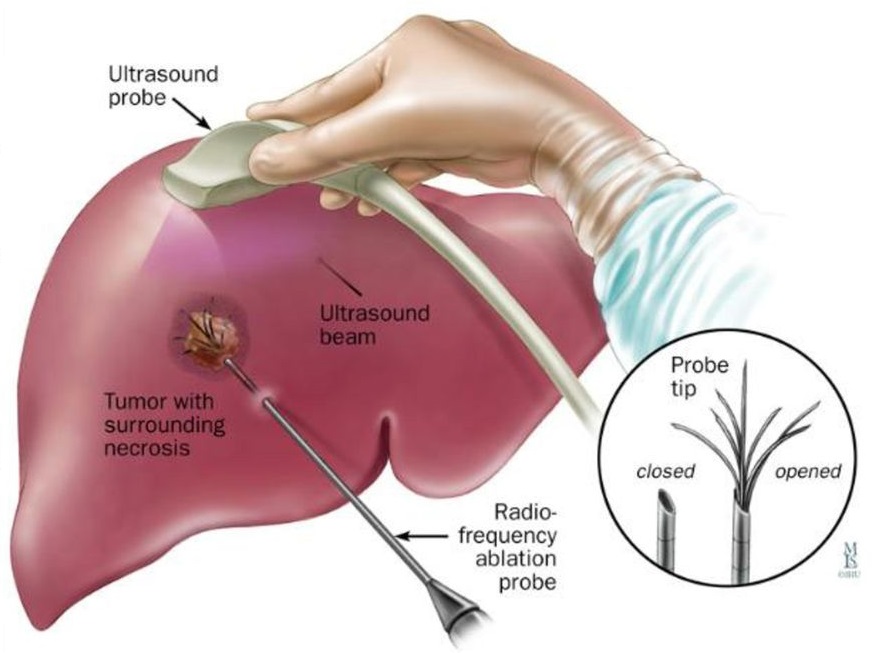
Tumors in the liver are destroyed by using microwave heat, placing a needle (probe) in the tumor and then heating the tip to high temperatures. The needle is placed in the tumor using guidance by ultrasound or CT scan. Ablation is a useful option in destroying liver tumors that are smaller (less than five centimeters) and difficult to remove by resection. In some cases, patients whose livers are too diseased to undergo resection may be better served by ablation, which is performed alone or in conjunction with other therapies. Ablation, which is performed more than once, is achieved laparoscopically or through the skin (percutaneously) by a radiologist. In most cases, percutaneous ablations require one day in the hospital.
Liver transplantation is a highly complex operation during which the failed liver is removed and then replaced with new liver grafts from either brain-dead donors or live donors. The surgical team at the Liver Center is highly skilled in liver transplantation. All of our surgeons have years of experience and specialty training specifically in liver transplantation. The team is composed of hepatobiliary surgeons, as well as hepatologists, nurse coordinators and other clinicians who perform evaluation and follow-up care.
